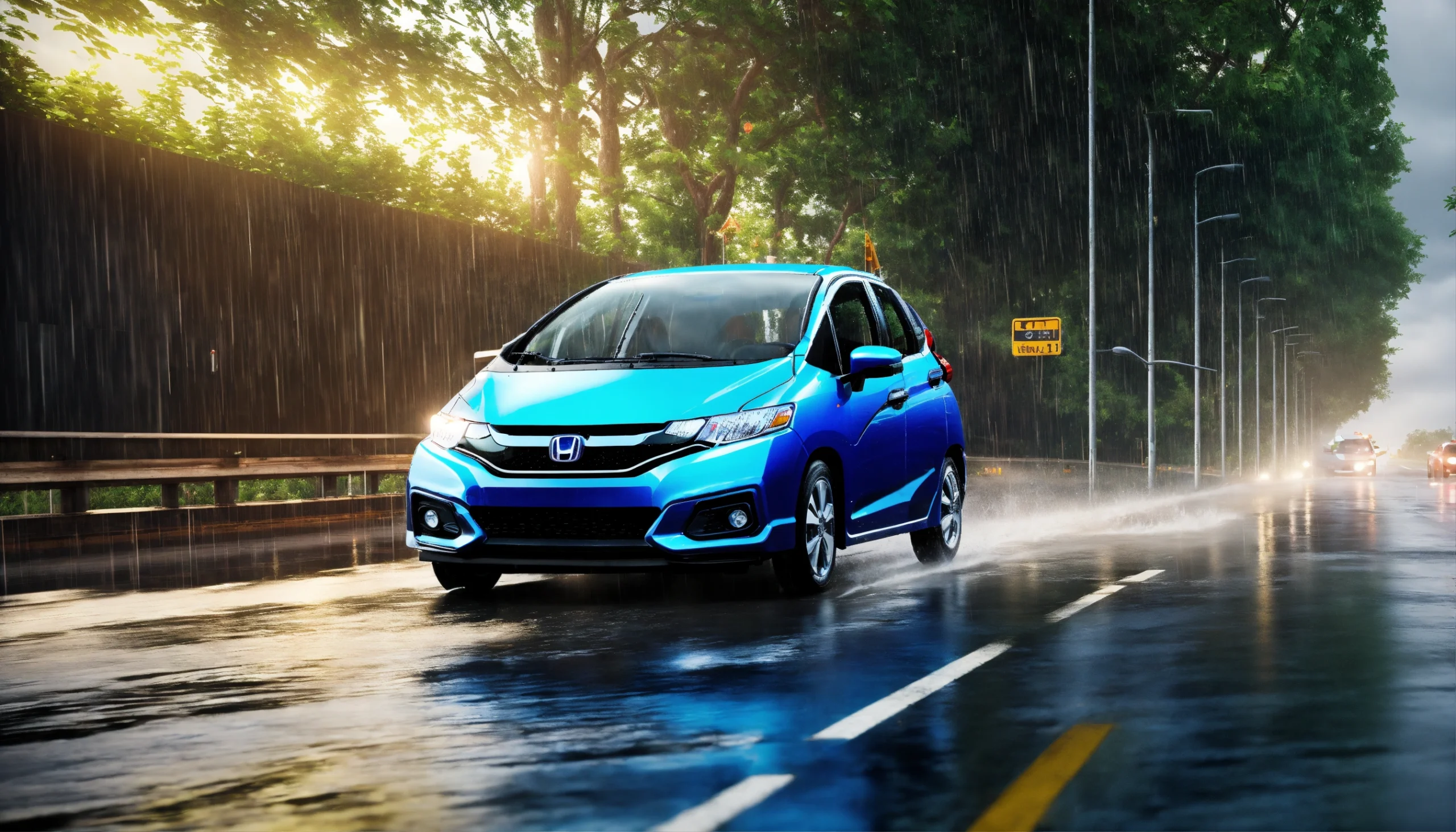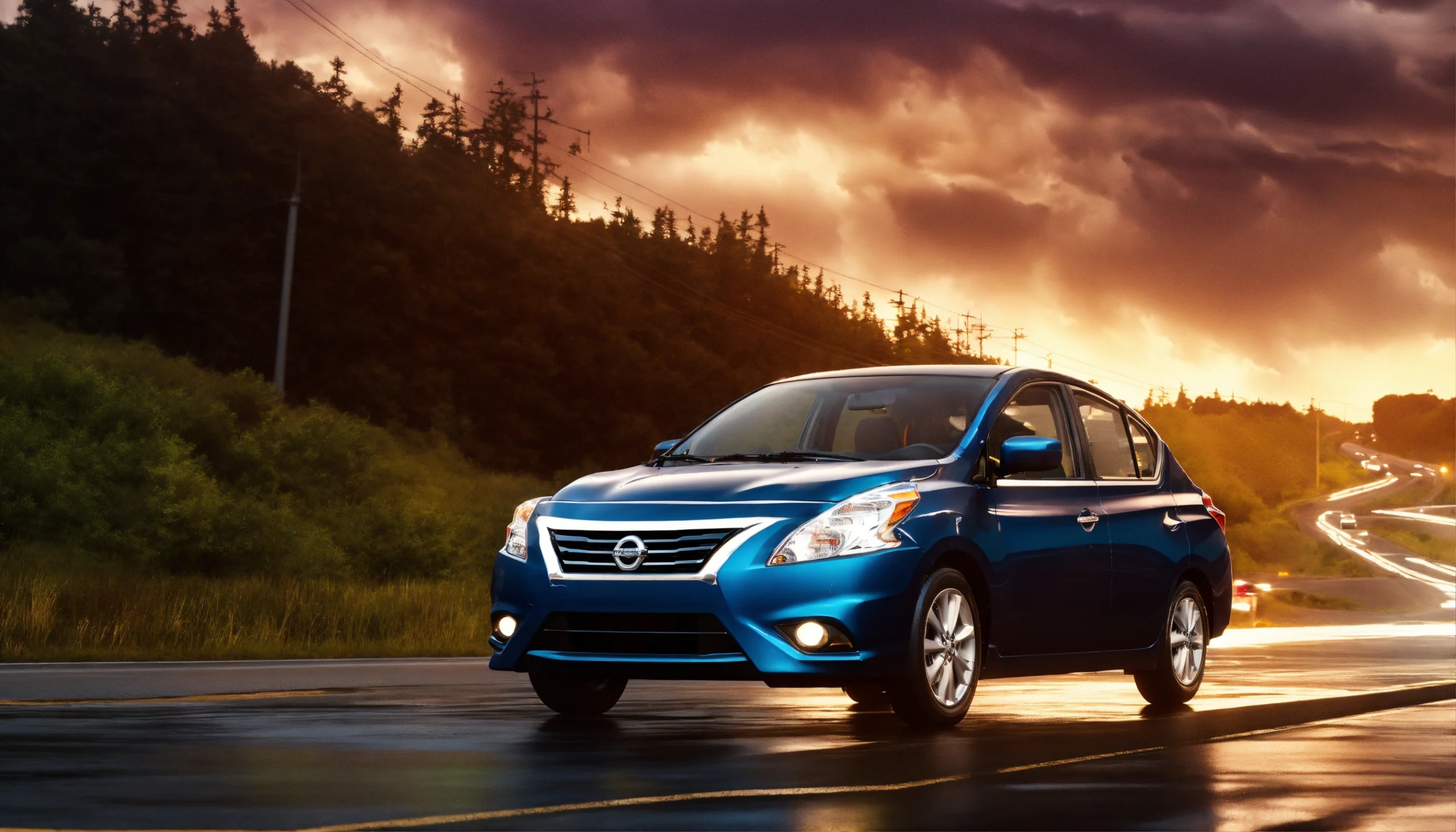




The American dream has gone electric. For decades, the Ford F-150 was the undisputed king of the road, but in 2026, the throne is being challenged by high-tech “adventure vehicles” like the Rivian R1T. However, behind the 0-60 mph specs and the panoramic glass roofs, a financial war is brewing in the service bays.
If you crash a Ford F-150 Lightning, you’re dealing with a century of supply chain muscle. If you dent a Rivian, you might be entering a month-long repair odyssey that could cost as much as a new luxury sedan. This is the brutal reality of EV truck repairability.
- 1. The $42,000 Fender Bender: Why Rivian is an Insurer’s Nightmare
- 2. Ford’s Legacy Advantage: The Power of "Common Parts"
- 3. The Battery Safety "Concussion" Protocol
- 4. Specialized Labor: The "Unfair" Advantage
- 5. The 2026 Reliability Report: Consumer Reports Weighs In
- 6. Financial Verdict: Which Truck Should You Insure?
1. The $42,000 Fender Bender: Why Rivian is an Insurer’s Nightmare
The internet was recently set ablaze by a Rivian R1T owner who received a $42,000 repair estimate for what looked like a minor rear-end collision. Why? Because the R1T is engineered for performance and aesthetics, not necessarily for modular repair.
-
The Single-Panel Problem: A significant portion of the Rivian’s rear body is a single, continuous piece of aluminum that stretches from the rear bumper all the way to the front A-pillar.
-
The Labor Trap: To fix a dent in the rear quarter panel, technicians often have to disassemble the interior, remove the headliner, and even take out the windshield just to access the structural rivets.
-
The Result: A repair that would take 10 hours on a traditional truck takes 100+ hours on a Rivian. At 2026 specialized labor rates ($200/hr), the math becomes catastrophic for insurance companies.
2. Ford’s Legacy Advantage: The Power of “Common Parts”
The Ford F-150 Lightning may not look as “futuristic” as the Rivian, but its conservative design is its greatest financial asset.
Ford intentionally designed the Lightning to share a significant number of body components with the standard internal combustion (ICE) F-150. This means:
-
Massive Parts Availability: If you need a door handle, a mirror, or a tailgate, there are millions of them sitting in warehouses across the country.
-
The Dealership Network: With thousands of Ford Pro certified dealers, you aren’t forced to ship your truck to a “Service Oasis” three states away.
-
Lower Premiums: Because Ford trucks are easier to fix, companies like Progressive and GEICO can offer premiums that are often 30–50% lower than those for a Rivian R1T.
3. The Battery Safety “Concussion” Protocol
In 2026, we have identified a new phenomenon in EV claims: the Battery Concussion. Both Ford and Rivian use massive lithium-ion packs integrated into the frame.
When a truck is hit with enough G-force, even if the battery casing isn’t punctured, the internal cells can suffer microscopic damage.
-
Rivian’s Stance: Often defaults to a full battery replacement to avoid the risk of “thermal runaway” (fire) months later.
-
Ford’s Stance: Ford has invested heavily in modular battery repair. In some cases, Ford technicians can replace individual “modules” rather than the entire $20,000 pack.
This single technical difference is why a “total loss” is much more likely for a Rivian than for a Ford after a medium-speed impact.
4. Specialized Labor: The “Unfair” Advantage
Repairing a high-voltage system requires more than just a wrench; it requires a certified EV technician with high-voltage safety training.
By 2026, Ford has successfully trained over 60% of its massive technician workforce to handle the Lightning. Rivian, while expanding its “Mobile Service” and dedicated centers, still suffers from a bottleneck. If your Rivian breaks down in rural Montana, your insurance company might have to pay $2,000 just to tow it to a certified facility in Seattle or Denver. These “hidden” logistical costs are directly baked into your monthly insurance bill.
5. The 2026 Reliability Report: Consumer Reports Weighs In
Recent data from Consumer Reports suggests that while Rivian wins on “Owner Satisfaction,” it lags behind Ford in “Predicted Reliability.” The R1T’s air suspension and complex “Gear Tunnel” doors are marvels of engineering, but they are also failure points.
Ford’s “Pro Power Onboard” system—which allows you to power your house from your truck—has proven to be more robust and easier to service than Rivian’s highly integrated software-locked systems.
6. Financial Verdict: Which Truck Should You Insure?
If you are looking for the lowest Total Cost of Ownership (TCO), the Ford F-150 Lightning is the clear winner. Its repairability and the ubiquity of its service network make it the “safe bet” for your wallet.
However, if you prioritize cutting-edge tech, 800+ horsepower, and a vehicle that feels like it’s from the next century, the Rivian R1T is unparalleled. Just be prepared to pay the “Innovation Tax” every time you see your insurance renewal notice.